Concrete Coating Repair Services
Dealing with a damaged or peeling epoxy floor? Let's discuss the condition of your concrete. Get a Free Estimate
An epoxy floor can develop problems over time. Peeling sections, scratches, worn areas, chips, cracks, and loss of adhesion can affect both the appearance and usefulness of the surface. When these problems appear, applying another layer without identifying the cause may lead to further failure. Epoxy floor repair begins with understanding what has happened to the existing floor.
Redding Epoxy Flooring Pro's helps property owners consider repair options for damaged epoxy coatings and concrete surfaces. We look at the affected area, the condition of the existing coating, and possible underlying issues. The appropriate repair may involve localized preparation, removal of loose material, concrete repairs, or a more extensive coating restoration.
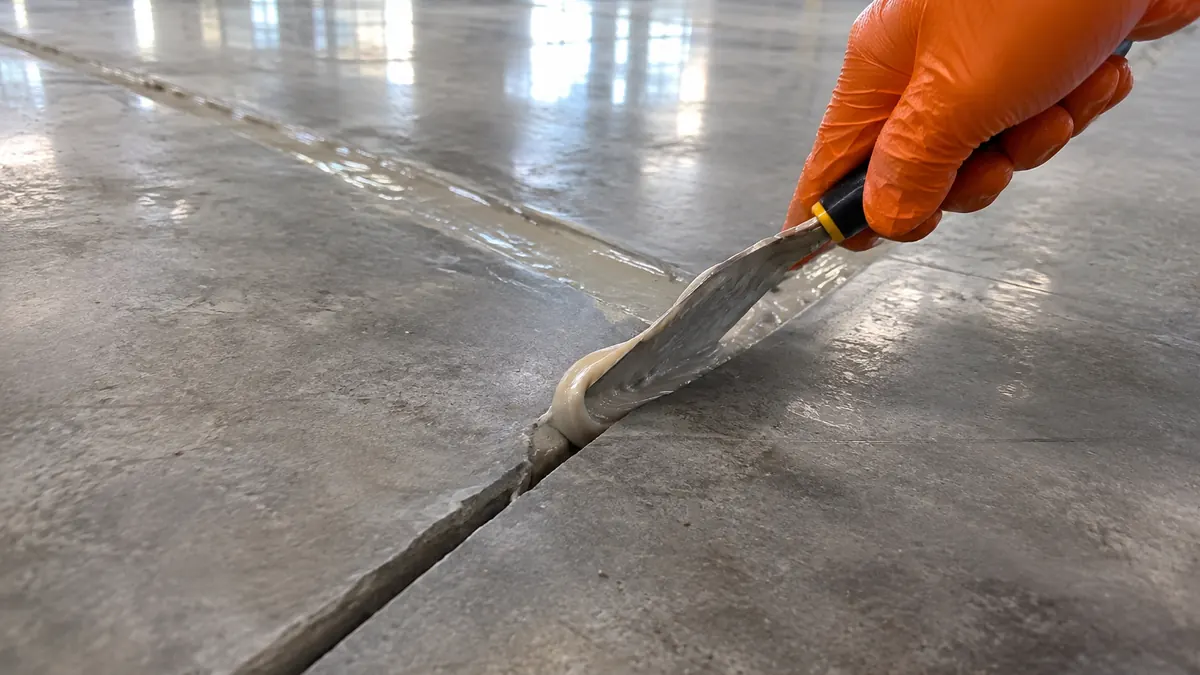
Different types of floor damage have different causes. A repair should address the condition of the coating and the concrete underneath rather than simply improve the visible surface.
Peeling can occur when a coating loses its bond with the concrete. Possible causes include inadequate preparation, moisture, contamination, or incompatible coating layers. The affected area needs to be evaluated to determine whether localized repair is suitable or more extensive removal is necessary.
Cracks in an epoxy floor may originate in the concrete slab or in the coating itself. The cause and movement of the crack should be considered before repair. Filling a crack without addressing the underlying condition may not provide a lasting solution.
Heavy traffic, dragging objects, and everyday use can leave marks or wear on a coated floor. Depending on the coating and the extent of the damage, the affected surface may require preparation, recoating, or another suitable repair method.
Some stains can be difficult to remove, while chemical exposure or unsuitable cleaning methods can affect the coating. We consider the material involved and the coating condition before discussing cleaning, repair, or replacement options.
We begin with information about the damage, the age and use of the floor, and any known issues with the original installation.
We consider peeling, cracks, scratches, moisture concerns, contamination, and the condition of the existing coating.
We discuss whether localized repair, coating removal, concrete repair, or more extensive restoration may be appropriate.
Loose or unsuitable coating material is addressed, and necessary concrete repairs and surface preparation are completed.
Before we patch anything, we look for the reason the floor failed. Peeling in a ring around a drain points to moisture. Peeling in tire tracks points to a coating that softened under heat. Chips along joints point to slab movement or impact. Each cause has a different fix, and patching without fixing the cause usually means the same problem comes back.
Most repairs involve grinding off failed coating, and grinding concrete creates fine dust that contains crystalline silica. OSHA explains the health risks of silica dust from tasks like grinding concrete. Dust control during grinding is part of doing the job right, especially inside an attached garage or an occupied business.
We consider why the coating failed before discussing a repair approach.
Some damage is localized, while other problems may affect a larger section of the floor.
The underlying slab matters. Cracks, moisture, and surface deterioration can influence the appropriate repair.
Existing coating materials and the proposed repair system need to be considered together.
We get as close as the existing finish allows. Older coatings fade and flake blends get discontinued, so a patch may show slightly. A fresh topcoat over the whole floor can help blend the repair.
That is usually hot tire pickup, where heat softens the coating and the tire pulls it up. It often means the original product or prep was not suited to the conditions. We remove the damaged areas and use a system built to resist it.
Spot repairs and recoats usually take less work than full removal. If failure is spread across the floor, though, replacement is often the better long-term choice. We will tell you which one makes sense for your floor.
Do not let a damaged coating continue to deteriorate without understanding the cause. Contact us about your epoxy floor repair project.
Free, with no obligation